

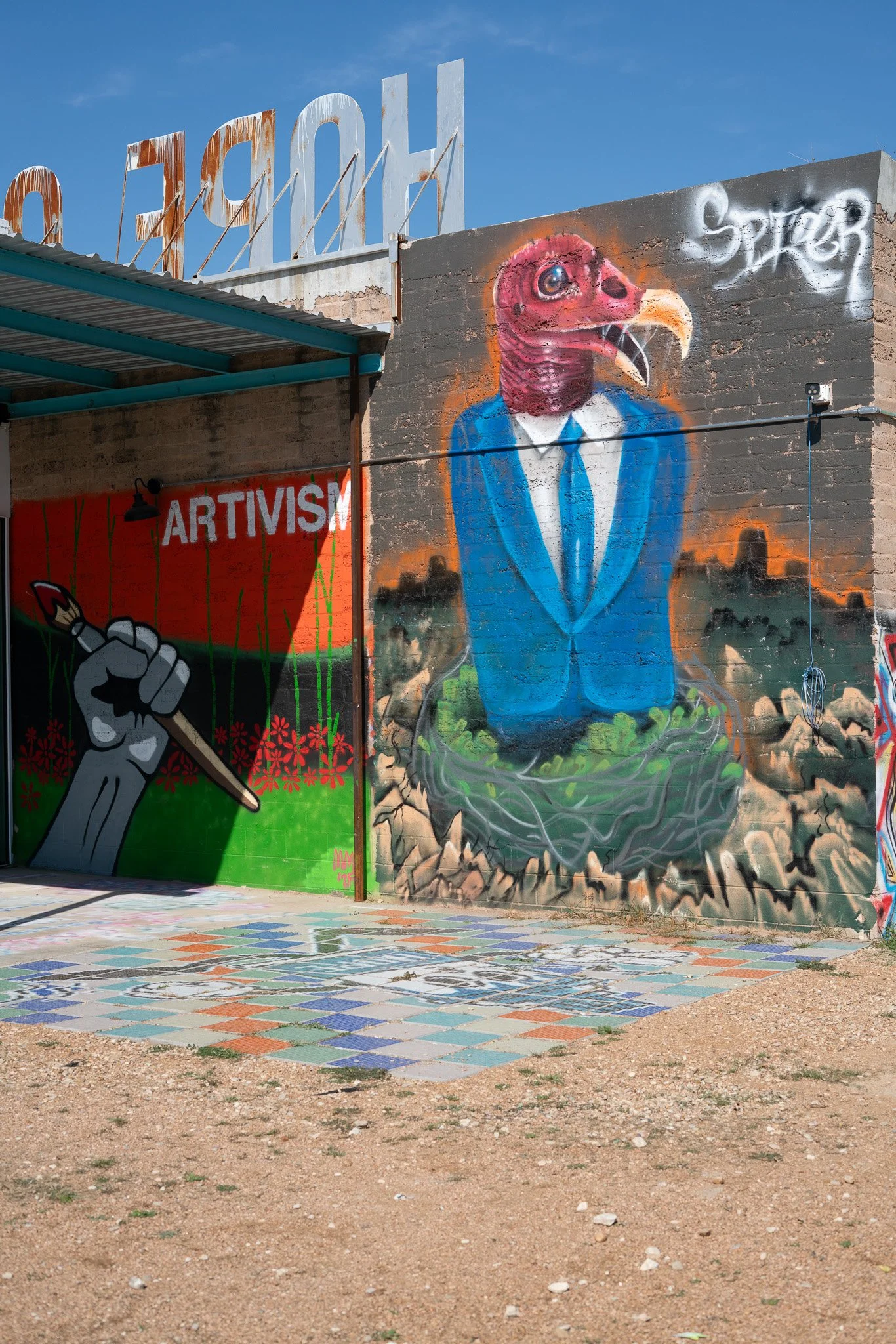
Hope Gallery, Austin Texas
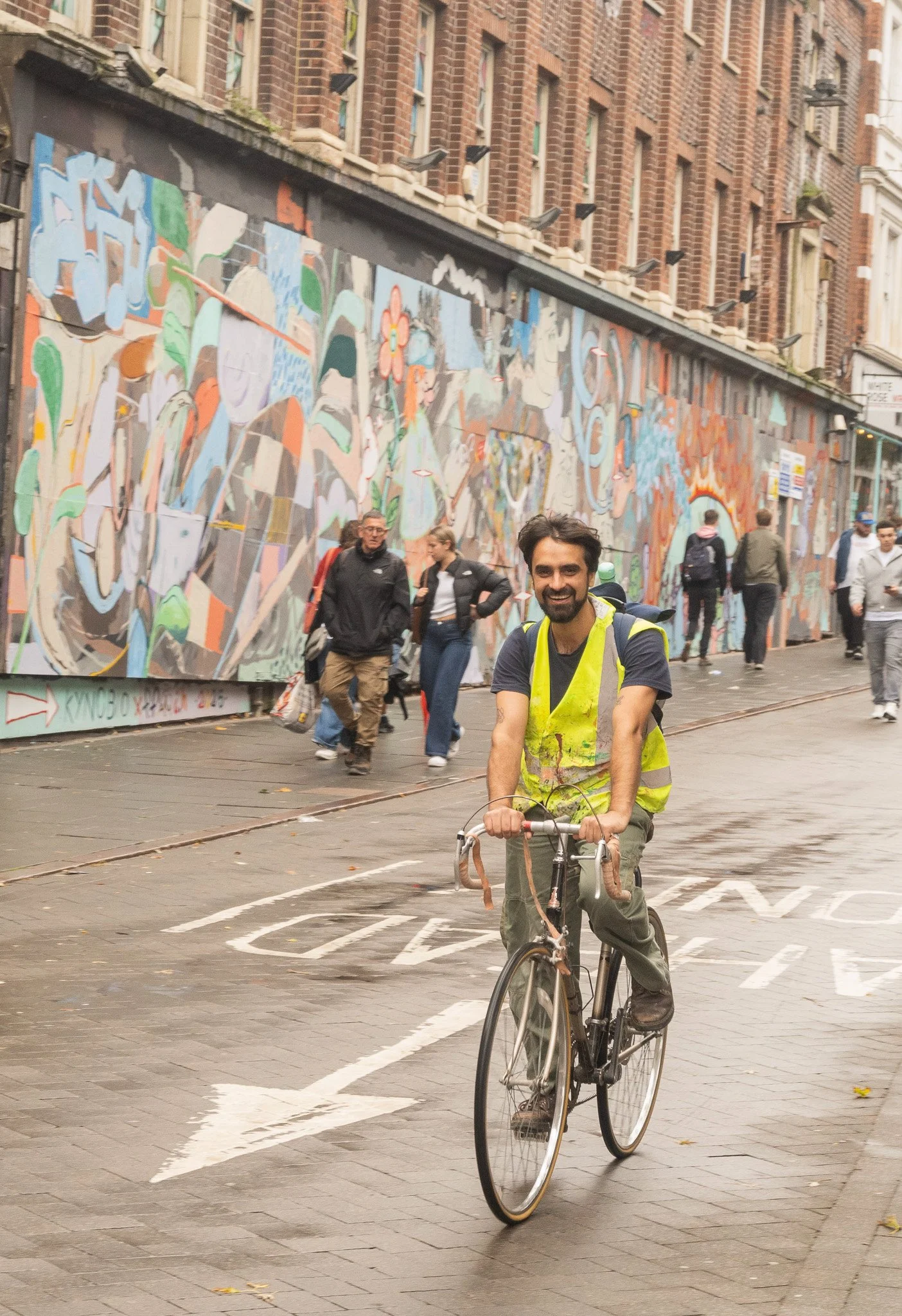
Me (Benjamin Kay) at Art Fest 2025, Photo © Katerina Panaretaki
A Common Practise
Fieldwork Notes on Creative Ecosystems
Words and images by Cultural Producer Benjamin Kay.
Benjamin Kay is also a Founder and Director of Art Fest Nottingham and The Carousel CIC
At the start of 2026 I travelled across the United States researching how artists build and sustain creative communities. Working across five states and seven cities, I spent time in studios, grassroots organisations, public art environments and informal cultural spaces, documenting how creative ecosystems function under structural pressure.
This research forms the foundation of an ongoing period of reflection focused on leadership, governance and sustainability within my own practice in England.
Research Context
This fieldwork emerged from a central question:
How do artists shape environments that build community; and what happens when those environments become fragile?
The journey was supported in part by a Roosevelt Scholarship bursary, with the majority self-funded. Rather than focusing on large institutions, I prioritised individual artists and small grassroots organisations; the people most directly experiencing the pressures of rising costs, displacement and reduced public funding.
The intention was not to replicate models, but to observe how creative ecosystems survive, adapt and organise themselves under strain.
Research Method
The research combined documentation, interviews and embedded observation.
5 states, 7 cities
25 recorded interviews with artists and grassroots organisers
30+ studio, festival and community-led environments visited
6+ hours of recorded conversation
6000+ documentary photographs
Interviews centred on questions of:
Sustainability and income
Access to space
Informal support systems
Governance and decision-making
What would be lost if a creative community disappeared
By speaking primarily to artists rather than institutional leaders, the research aimed to understand governance from the ground up.
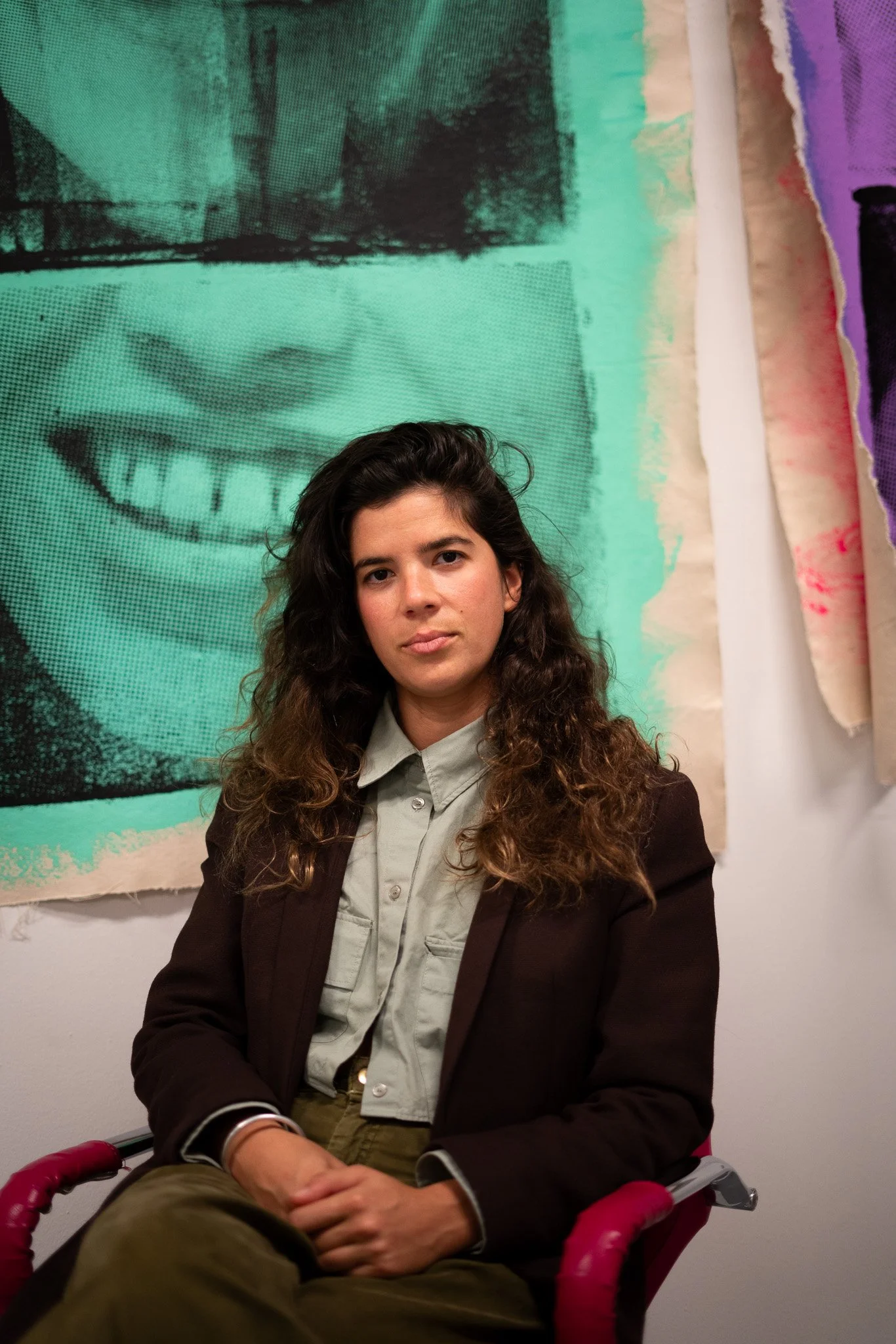
Katelyn Kopenhaver
Visual Artist
“It’s really important that this building is protected - which [The Bakehouse] is - and it can expand - which it is.
Donors and collectors are really important but you can have the building and you can have the support but if you don’t have the artists, what's the point?”
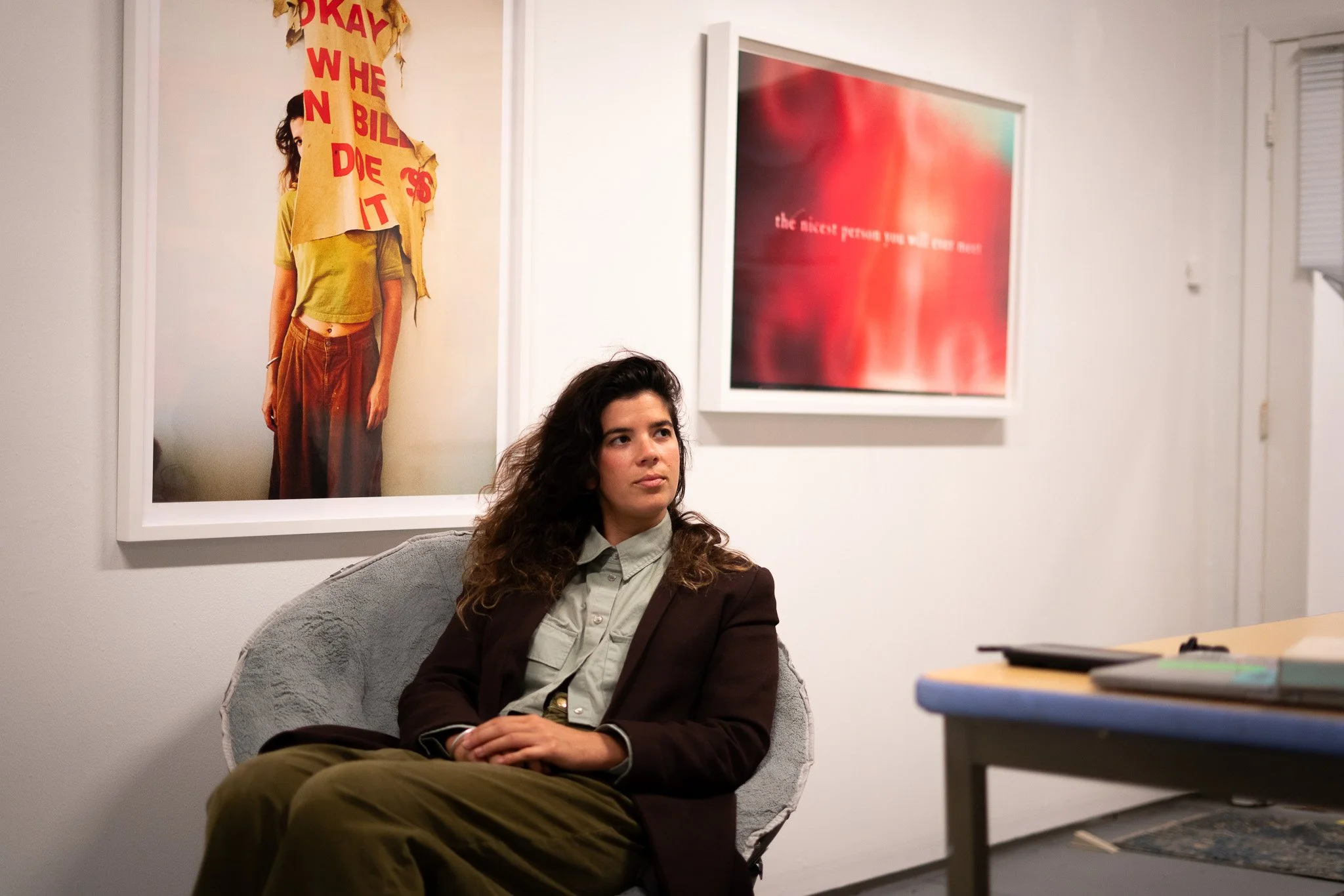
The Bakehouse, Florida
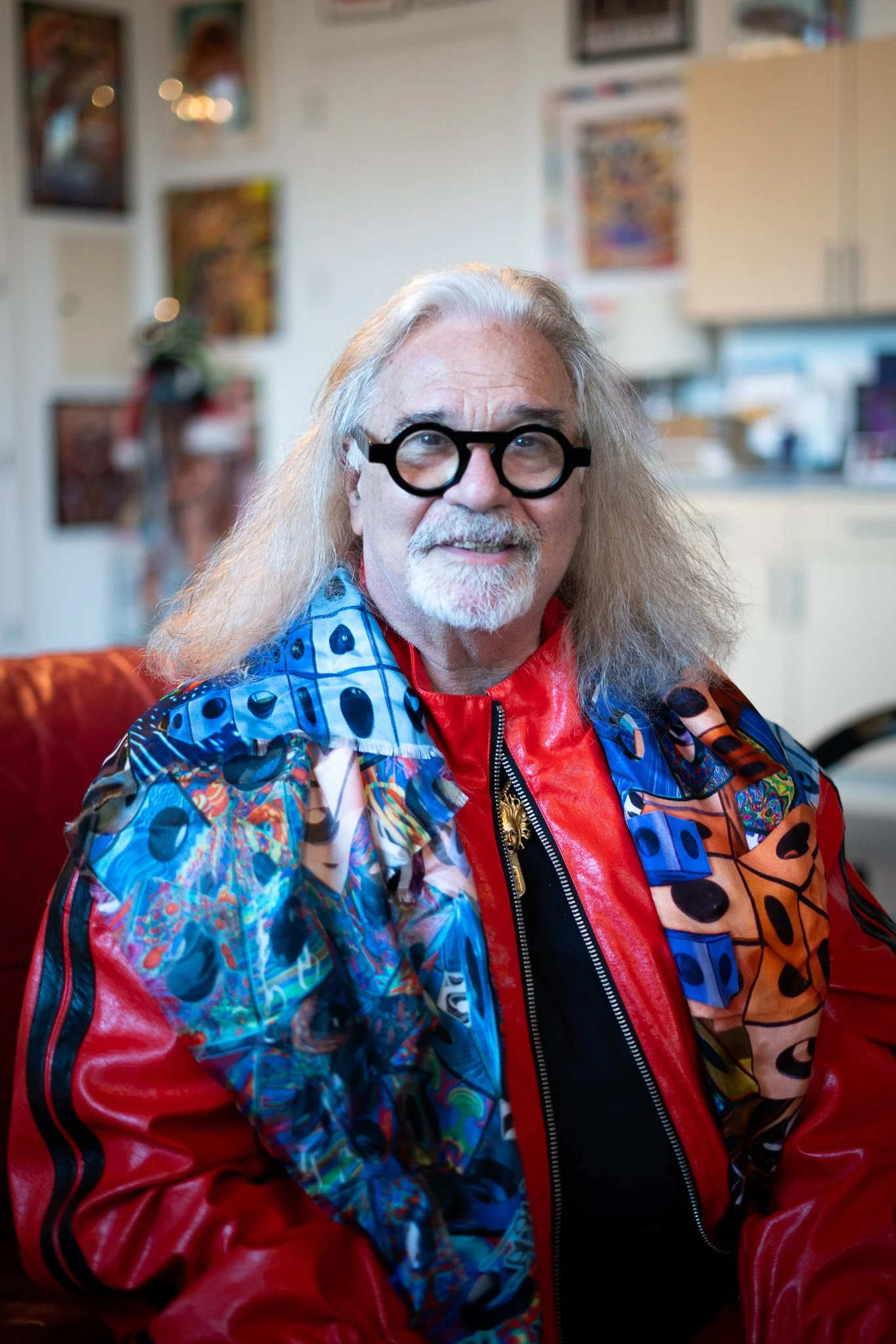
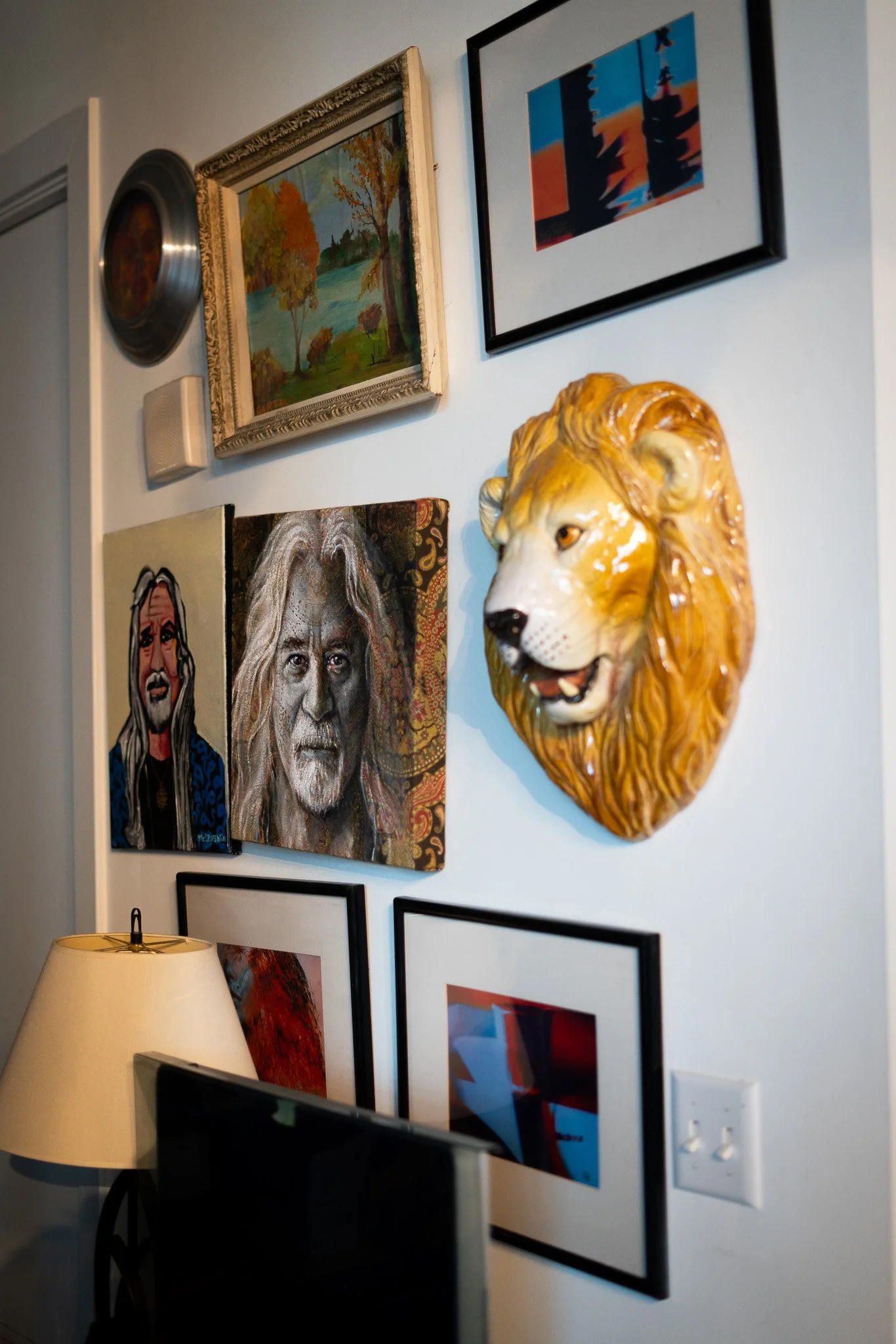
Laurence Gartel
Visual Artist
“I think it’s vital to have support networks. There’s an artist community here, there’s an energy, there are other artists around, it’s amazing. I go to their apartments and my mouth drops. I think just being in a space that’s purely devoted to this feels very authentic and that’s inspiring.”
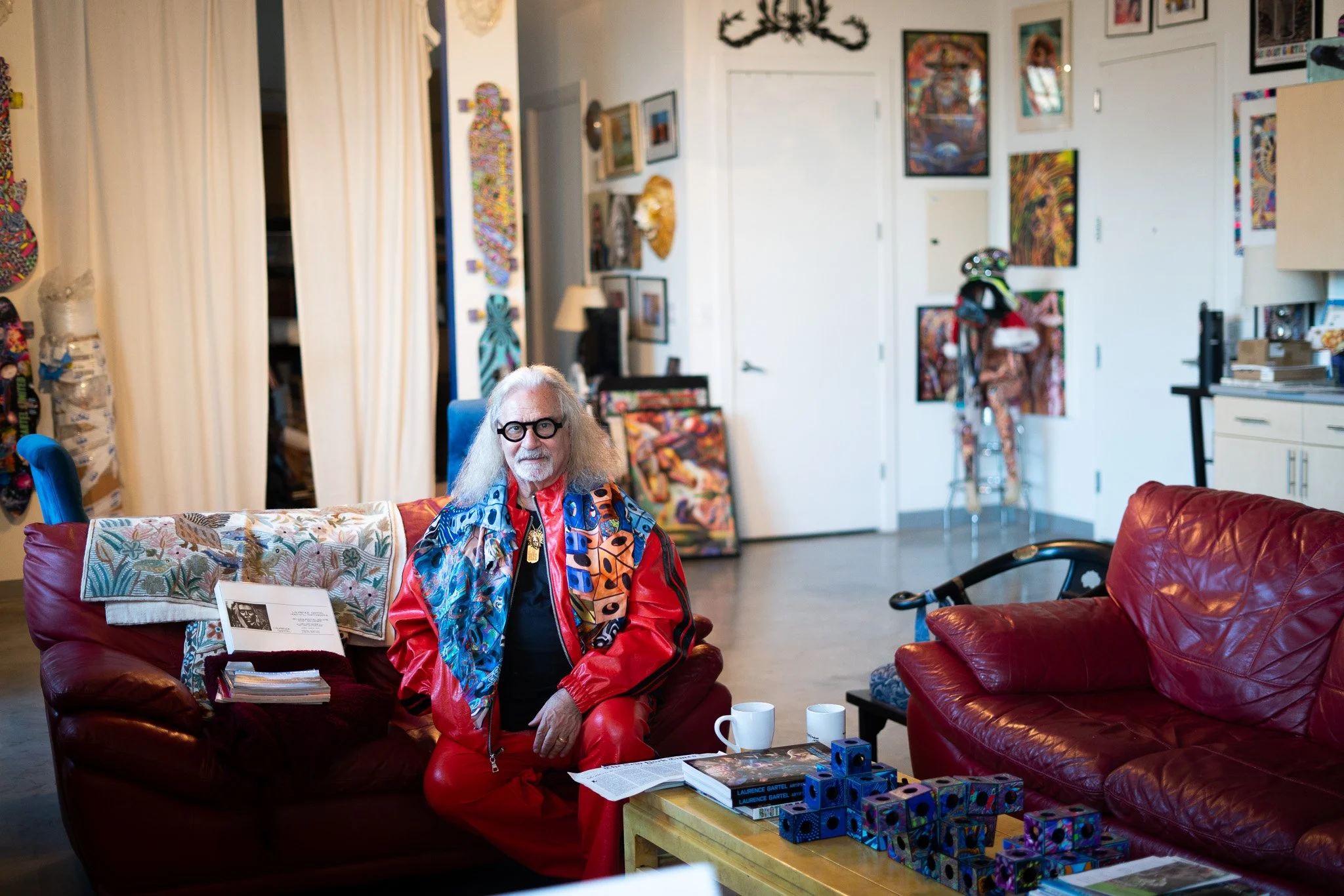
Art Org (Live in studios), Fort Laurderdale, Florida
Key Research Themes
Visibility and Fragility
Across multiple cities, creative work was highly visible — murals, exhibitions, performances and community events shaped civic identity. Yet beneath this visibility, infrastructure was often fragile. Many projects operated with minimal staffing and heavy personal commitment. From the outside, they appeared secure. Internally, they relied on informal labour and layered income streams.
Ownership and Long-Term Infrastructure
In Miami, Bakehouse Art Complex demonstrated how land ownership and long-term governance can anchor creative communities against displacement. Its development model integrates studios, public programming and plans for affordable housing. The lesson was clear: visibility alone does not guarantee stability; infrastructure matters.
Extraction and Displacement
Conversations around Wynwood revealed how cultural visibility can increase property value without structurally protecting artists. Several practitioners described being unable to continue working in areas they had helped define. The research raised questions about who benefits when creative energy is commodified.
Mutual Support and Informal Governance
From living-room zine libraries to peer-led studio networks, artists consistently described reliance on one another. Mentorship, recommendation, shared resources and informal assemblies were critical to survival. Governance was not always formal, but it was active. These networks revealed that creative ecosystems are sustained as much by relationships as by funding.
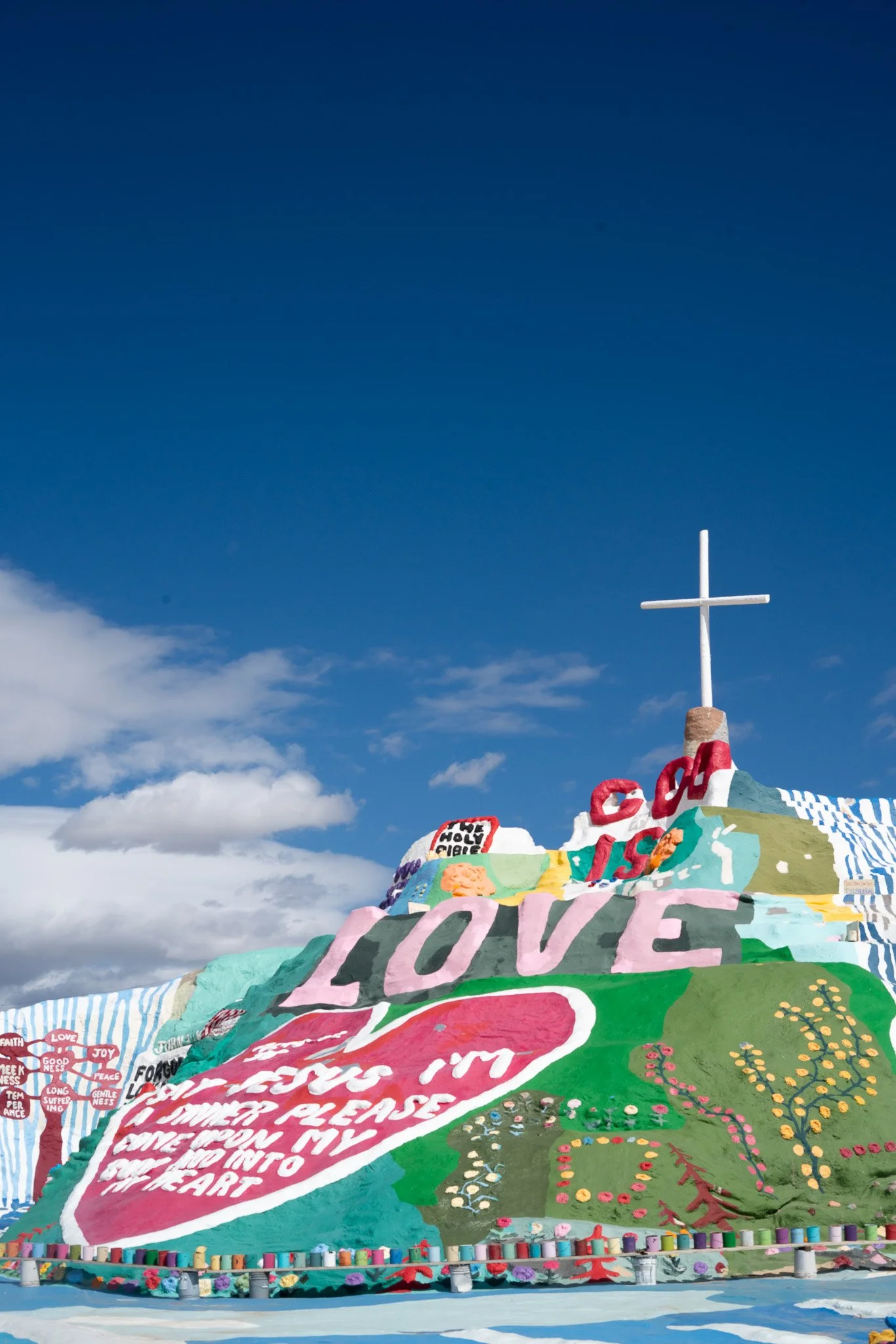
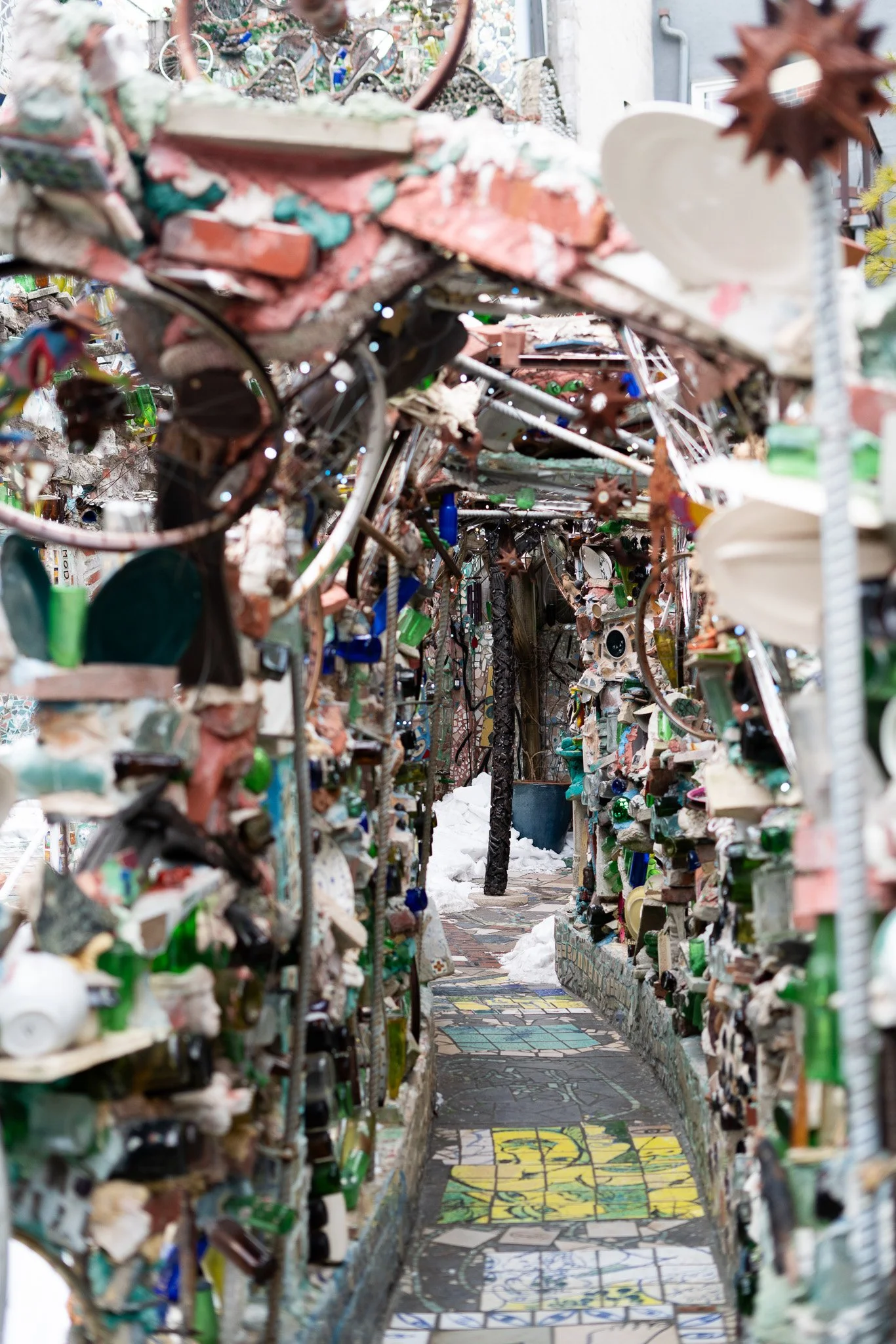
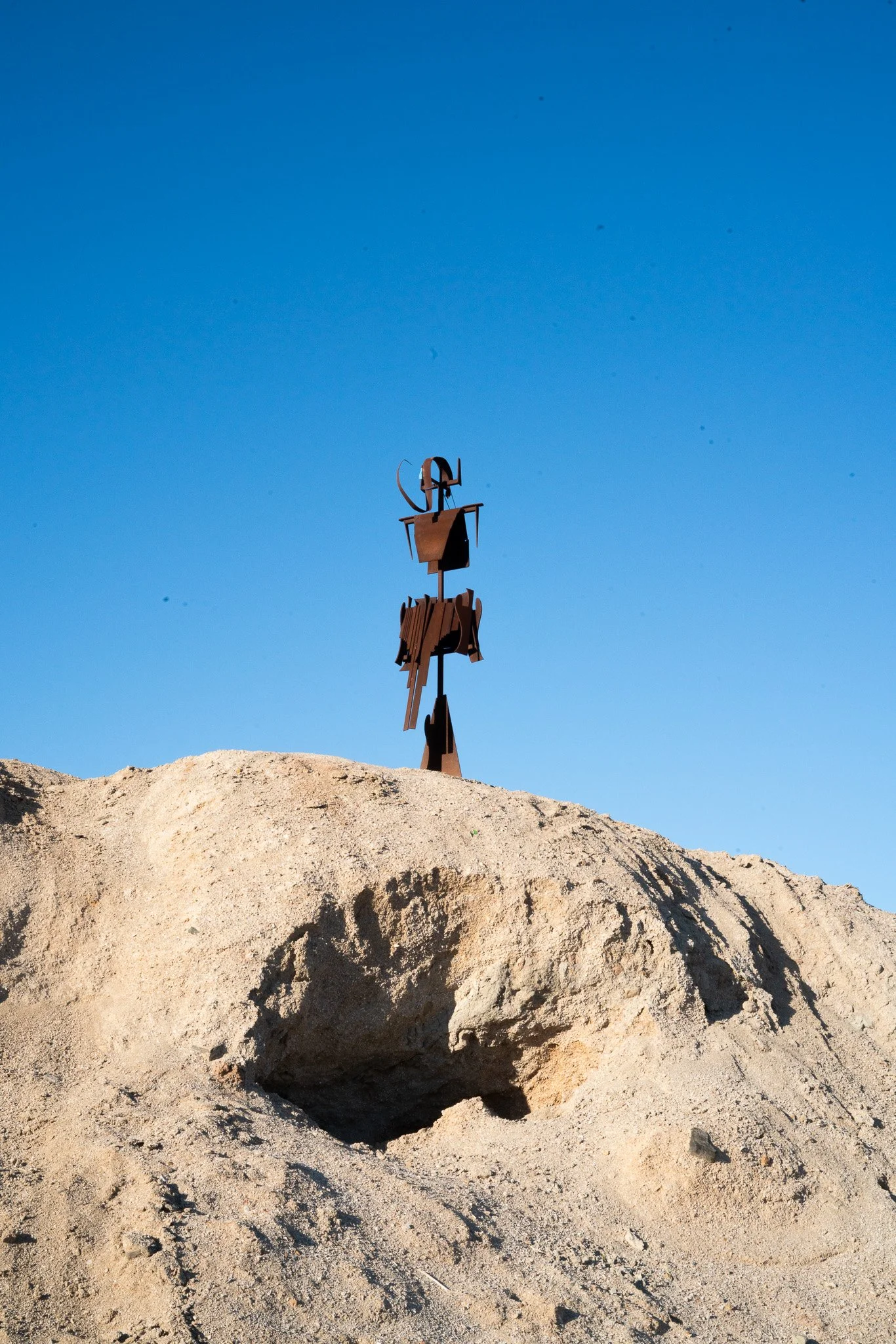
Cultural Commons
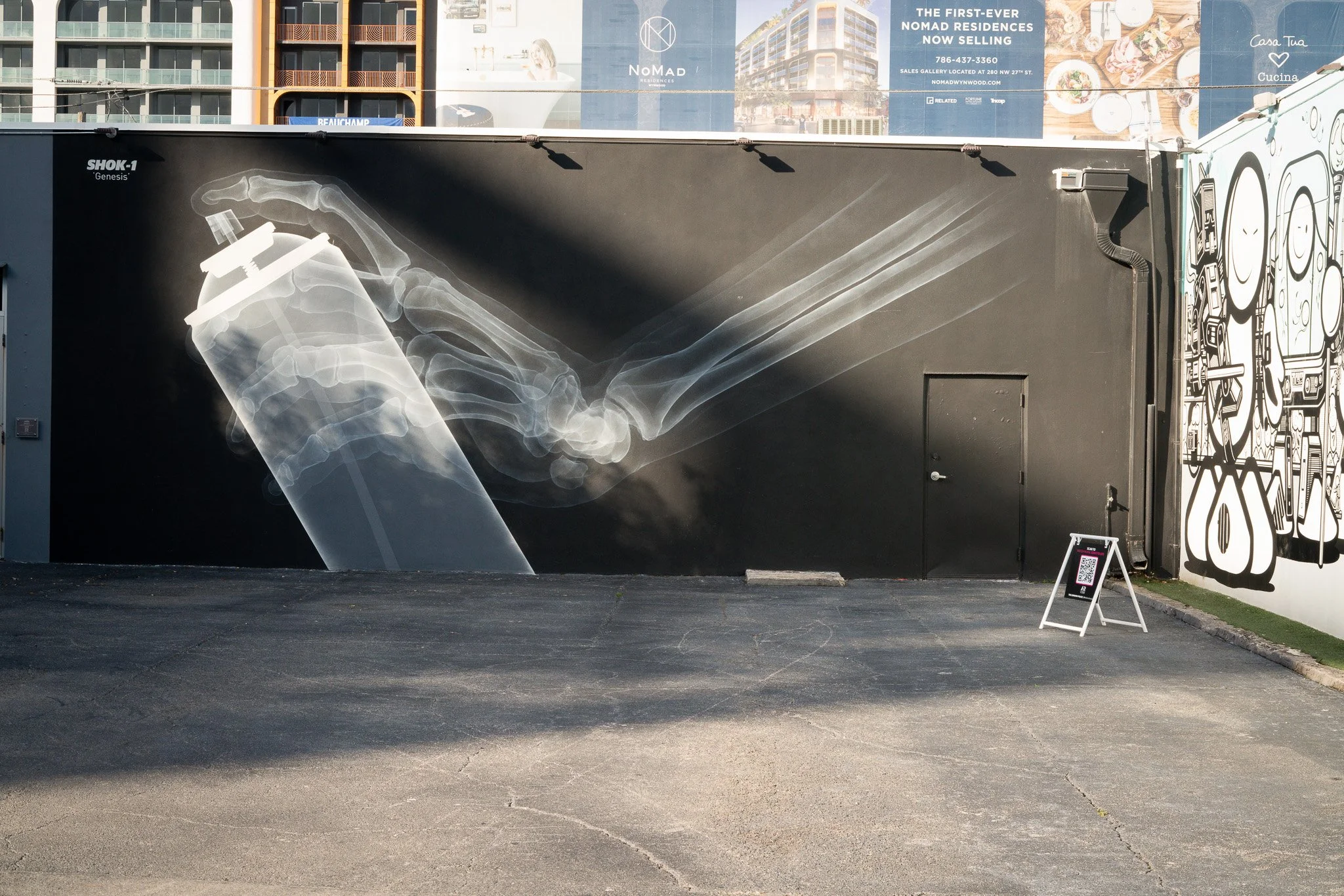
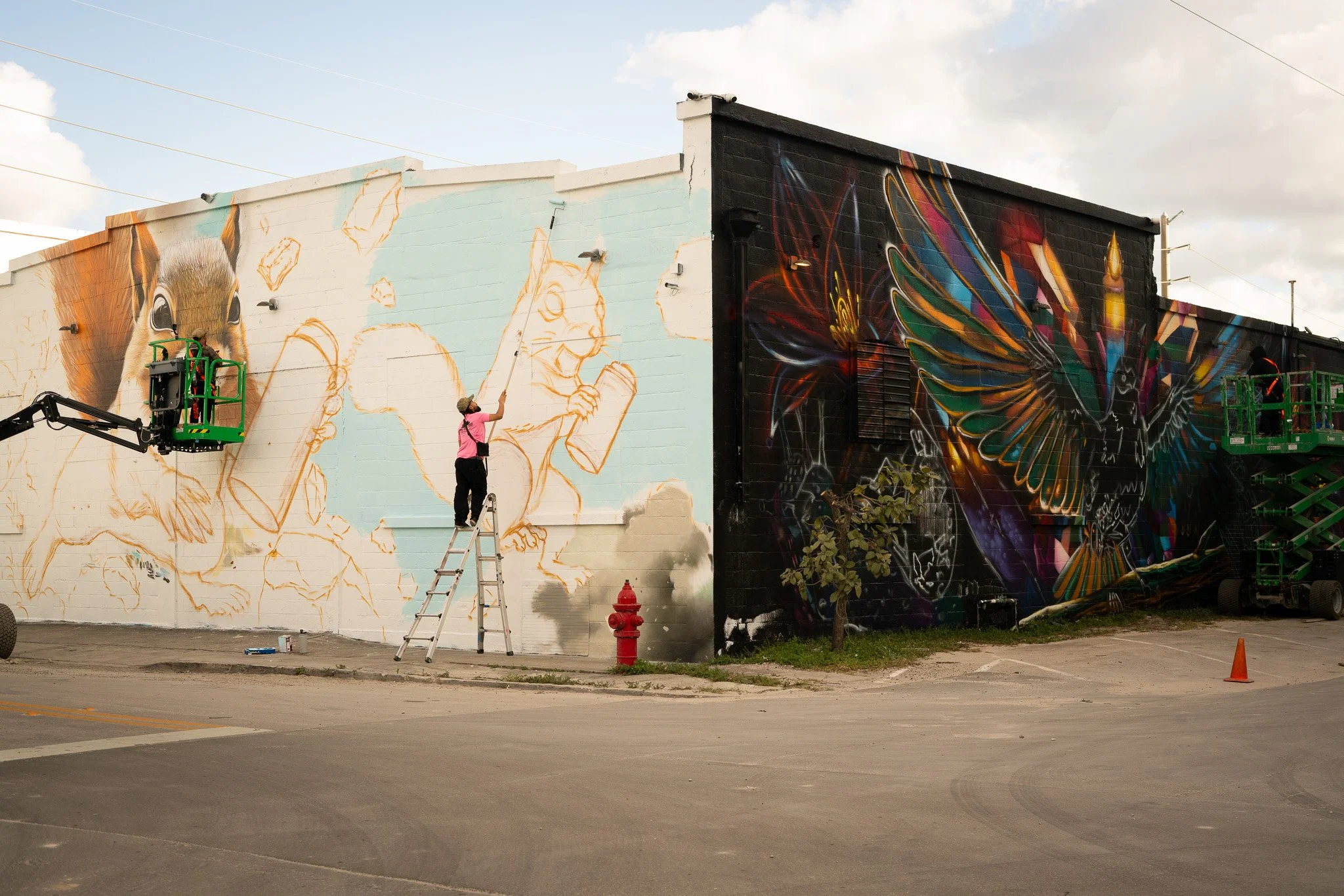
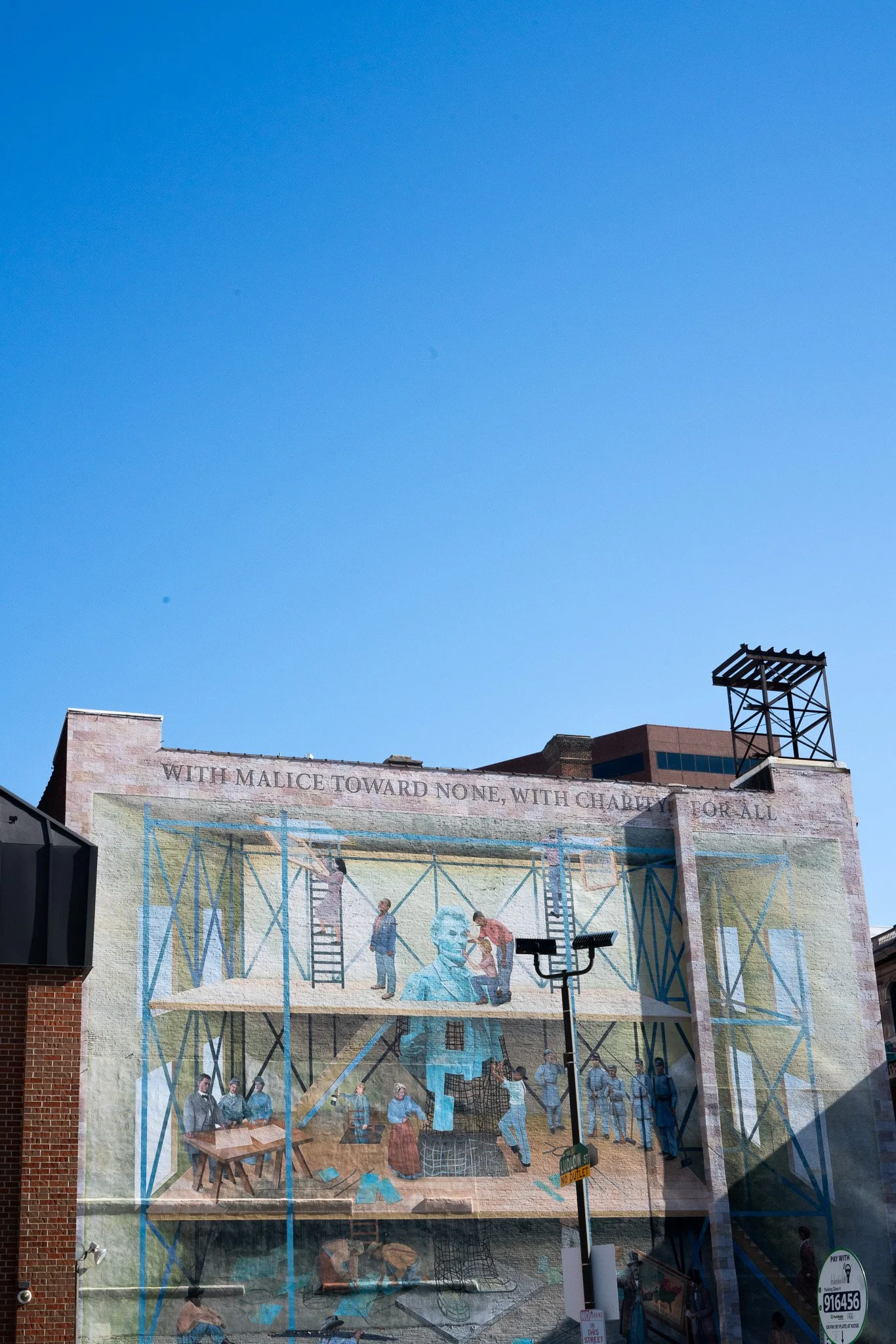
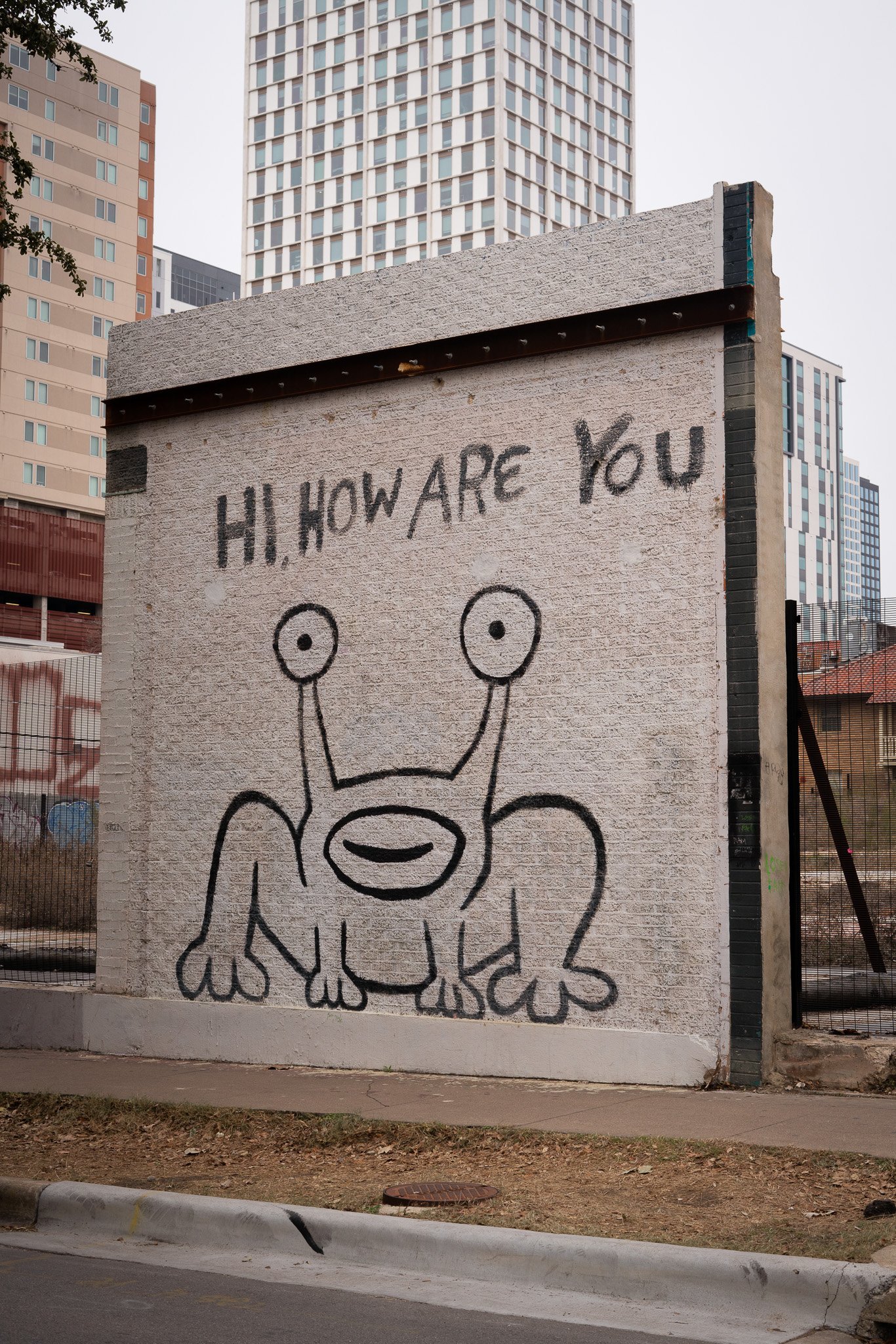
Explorations of environments shaped by artists.
Reflection in Progress & Next Steps
I am currently reviewing the material gathered during this fieldwork as part of a structured period of research and development.
The scale of the documentation (interviews, photographs and site visits) requires careful analysis rather than immediate translation into new projects. The intention is to identify transferable principles relating to leadership, governance and sustainability within creative ecosystems.
This process involves:
Thematic coding of interviews
Comparative conversations with UK-based practitioners
Drafting and testing governance principles through peer discussion
Rather than expanding activity, this period focuses on strengthening foundations.
This research forms the foundation of an R&D project examining shared leadership, transparent resource planning and sustainable governance within public art festivals and shared creative environments in England.
The goal is not to replicate international models, but to reflect critically on how creative communities can be supported more intentionally and durably within my own context.
Further documentation and analysis will continue throughout 2026.